Ontario legal information · Ottawa and Eastern Ontario
The useful question is more specific than the page title.
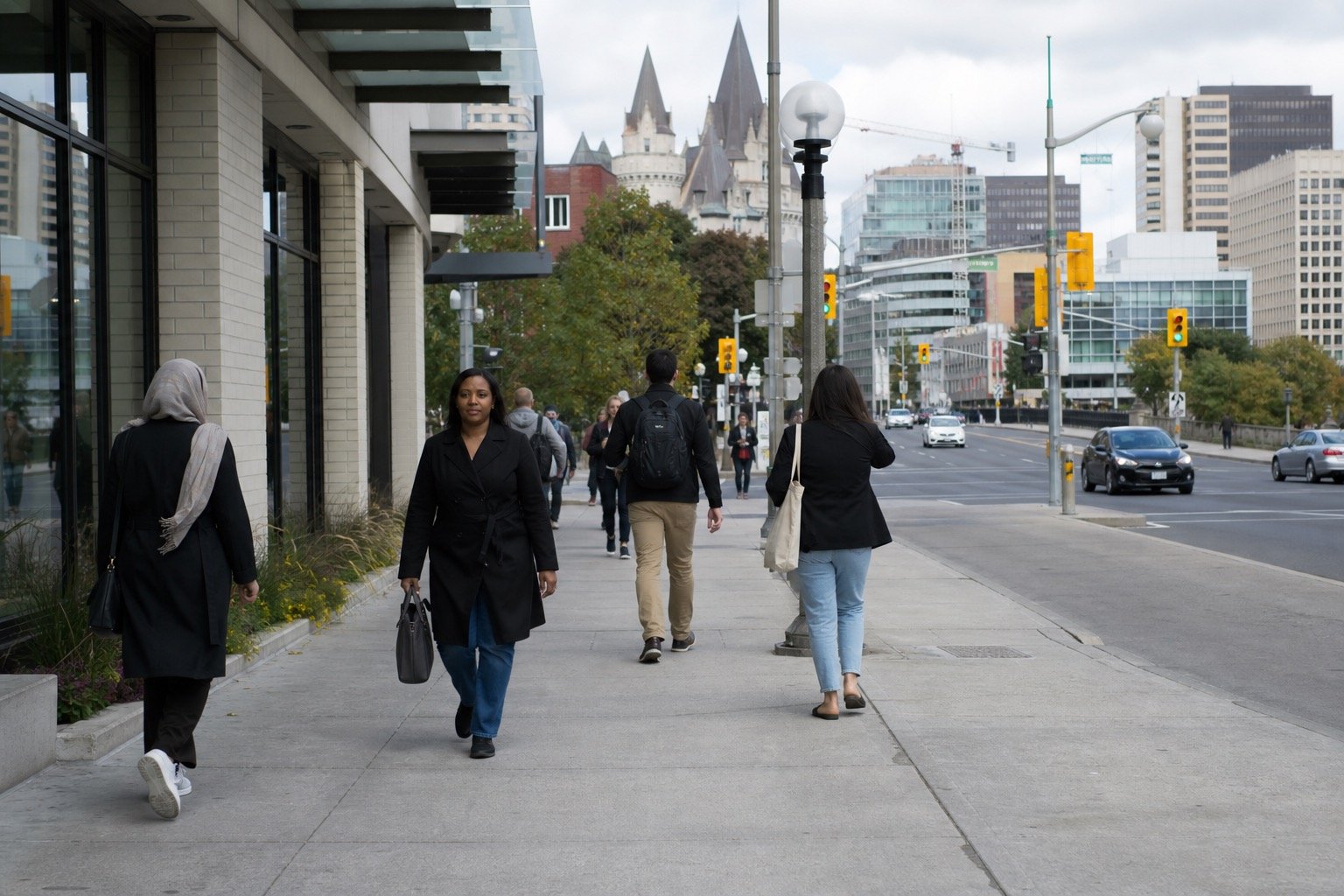
Downtown Ottawa combines municipal streets, federal precincts, transit corridors, commercial buildings and high pedestrian activity.2
Responsibility may depend on which body owned, occupied, maintained or controlled the precise place—not simply that the incident occurred downtown.
Keep responsibility, available coverage and actual loss in separate columns.
Legal route
For Downtown Ottawa, the responsibility analysis starts here: Responsibility may depend on which body owned, occupied, maintained or controlled the precise place—not simply that the incident occurred downtown.
Insurance or benefit route
Insurance and benefit eligibility still comes from the governing policy or Ontario scheme. The local access question is different: Elgin Street collision reporting and central court facilities may be nearby, but current instructions and accessibility should be checked before attending.
Practical decision
The immediate evidence decision is concrete: Nearby camera locations, transit records, building incident reports, construction information and witnesses from surrounding businesses.
Build the record from material another person can verify.
Nearby camera locations, transit records, building incident reports, construction information and witnesses from surrounding businesses.
Service context matters when locating the record: Downtown Ottawa combines municipal streets, federal precincts, transit corridors, commercial buildings and high pedestrian activity.
Treatment and participation have to be workable in practice. Elgin Street collision reporting and central court facilities may be nearby, but current instructions and accessibility should be checked before attending.
The file should preserve the jurisdictional distinction in this local setting. Responsibility may depend on which body owned, occupied, maintained or controlled the precise place—not simply that the incident occurred downtown.
Protect the next date without pretending every claim follows one clock.
Preserve the local material promptly, especially nearby camera locations, transit records, building incident reports, construction information and witnesses from surrounding businesses.3
Plan attendance and care from the actual travel pattern. Elgin Street collision reporting and central court facilities may be nearby, but current instructions and accessibility should be checked before attending.
How a personal injury lawyer may use this information.
General information explains the framework. Legal advice should connect that framework to the event, the people and insurers involved, the available records and the deadlines in the individual claim.
- Confirm the Downtown Ottawa location and authority
- Secure the local record before it changes
- Connect regional care to the insurance route
- Reduce avoidable travel in the file plan
Not every file requires every step or legal representation. The work should respond to the actual dispute, evidence gap or decision that is approaching.
Sources and legal references
These official sources provide the legal and procedural foundation for this page. Their current wording and the facts of the claim control.
View 3 sources
- Ontario — Limitations Act, 2002
Ontario's basic limitation and discoverability framework, subject to important exceptions.
Back to footnote ↑ - Ottawa Police Service — Collision reporting
Current Ottawa collision-reporting instructions and reporting-centre locations.
Back to footnote ↑ - Ontario — Find health services
Official Ontario directory for health care, home care and community services.
Back to footnote ↑