Ontario legal information · Ottawa and Eastern Ontario
Start with the real change, then test the legal route.
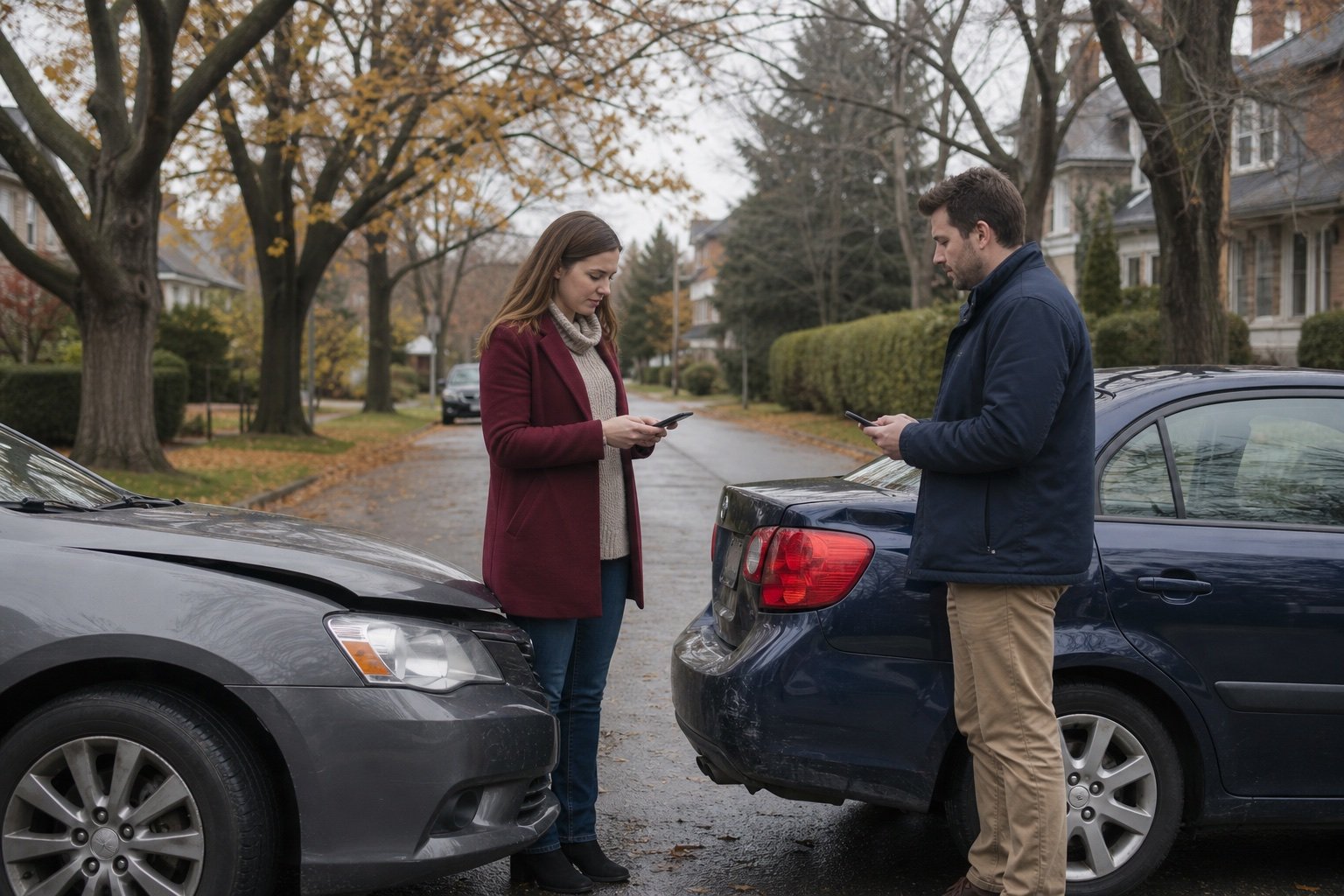
Begin with health and safe reporting, then identify every driver, vehicle, insurer and witness connected to the collision.2
Create one chronology for symptoms, treatment, work, expenses, insurer decisions and liability evidence so contradictions can be found early.
Keep the connected questions separate.
Responsibility
Reconstruct driving conduct, road conditions and any shared fault.
Available insurance
Notify the correct accident-benefit insurer and match each request to a benefit test.
Uncompensated loss
Track wage, care, treatment and quality-of-life loss without counting the same item twice.
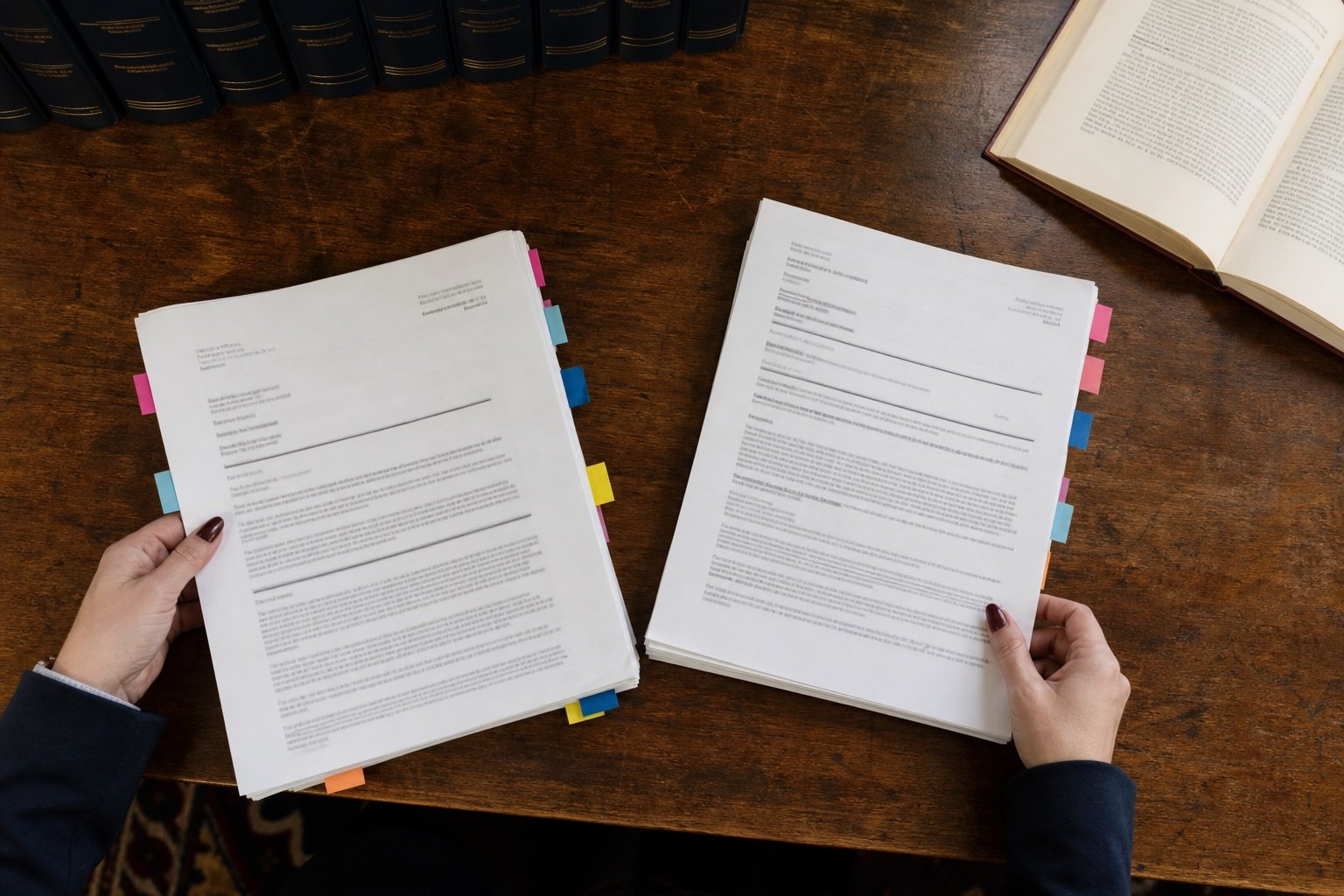
Build a record that another person can verify.
Collision report, scene images, vehicle damage and witness contacts.
Early assessments, referrals, treatment response and prognosis.
Work absence, household help, transportation and activity changes.
Complete insurer letters, forms, authorizations and proof of delivery.
Protect the next decision before the record is complete.
Reporting, benefit forms, insurer disputes and civil claims do not share one universal deadline.3
Review settlement only after the coverage, medical course and future-loss assumptions are visible.
How a personal injury lawyer may help after this collision.
The lawyer's role should be tied to this accident: identify who may be responsible, find every policy that may respond, preserve evidence and build the claim around the person's actual recovery and loss.
- Identify every available policy
- Preserve liability evidence before it disappears
- Coordinate benefits with civil damages
- Explain offers using a written calculation
Not every file requires every step or legal representation. The work should respond to the actual dispute, evidence gap or decision that is approaching.
Sources and legal references
These official sources provide the legal and procedural foundation for this page. Their current wording and the facts of the claim control.
View 4 sources
- Ontario — Insurance Act
Ontario automobile insurance, statutory benefits and insurance disputes.
Back to footnote ↑ - Ontario — Statutory Accident Benefits Schedule
The current regulation governing Ontario automobile accident benefits.
Back to footnote ↑ - Ontario — Highway Traffic Act
Ontario road-use, vehicle and reporting duties.
Back to footnote ↑ - Ontario — Limitations Act, 2002
Ontario's basic limitation and discoverability framework.