Ontario legal information · Ottawa and Eastern Ontario
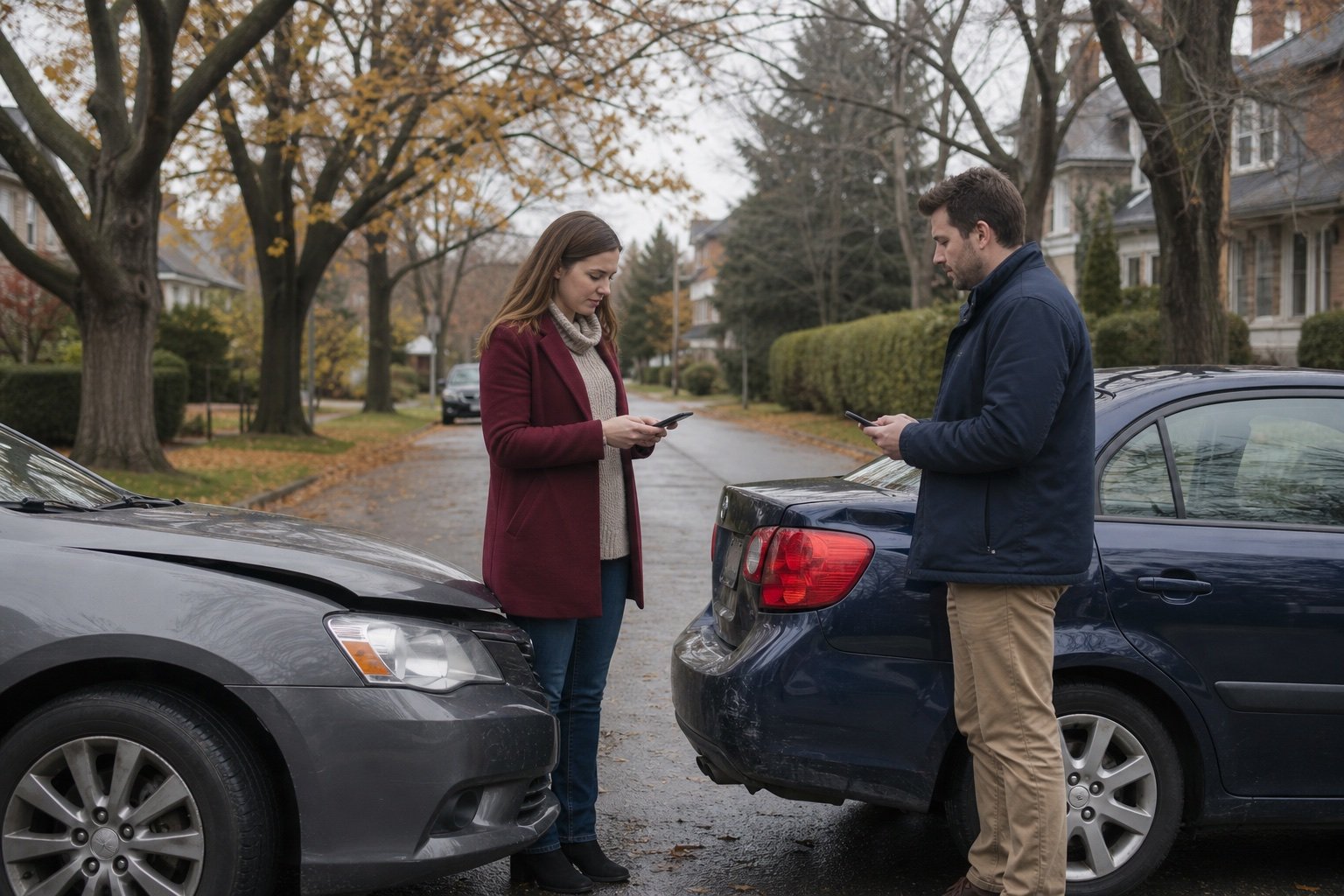
The collision pattern is only the beginning of the analysis.
A stopped or forward-moving vehicle struck from behind is addressed by a specific insurance fault rule. Lane changes, multiple impacts, mechanical issues or a charged driving offence can change which rules are relevant.2
The injury case is a separate question. The record must connect the force and timing of the collision to the symptoms, diagnosis, treatment course and changes at work or home.
Two insurance routes can move at the same time.
Accident benefits
The injured person may apply through an automobile insurer without waiting for the liability dispute to end.
Liability claim
A claim against the responsible driver and owner addresses uncompensated losses, subject to Ontario automobile rules.
Other coverage
LTD coverage, optional accident benefits or family-protection coverage may need to be checked where income loss or inadequate limits are involved.
Preserve the details that explain impact and function.
Keep wide and close photographs, damage information, repair material and the collision report.
Record when symptoms appeared, where care was received and how the condition changed.
Describe the shifts, postures, travel, concentration or lifting that could not be sustained.
Use specific examples involving sleep, driving, childcare, household work and activity tolerance.
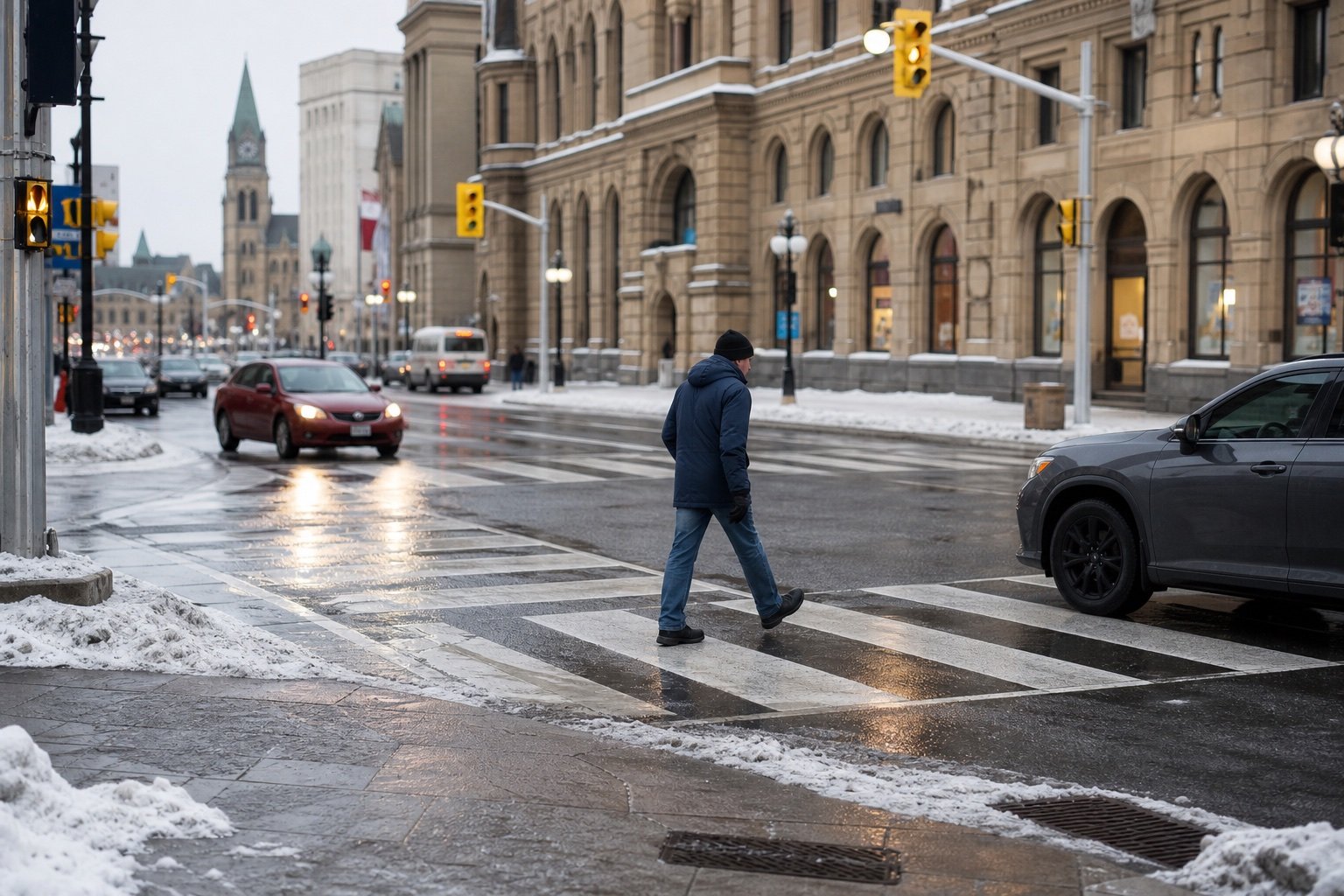
Early reports and later medical development both matter.
Report the collision through the correct Ottawa process and notify the insurer promptly. A civil limitation analysis, accident-benefit decisions and insurer requests can operate on different timelines.3
Do not wait for the vehicle claim to finish before preserving injury evidence. Equally, do not assume that immediate soreness predicts the eventual medical course.
How a personal injury lawyer may help after this collision.
The lawyer's role should be tied to this accident: identify who may be responsible, find every policy that may respond, preserve evidence and build the claim around the person's actual recovery and loss.
- Test the fault rule against the actual vehicle movements and evidence
- Coordinate accident benefits with the liability claim
- Develop medical causation and function evidence without exaggeration
- Identify civil, insurance and tribunal deadlines separately
Not every file requires every step or legal representation. The work should respond to the actual dispute, evidence gap or decision that is approaching.
Sources and legal references
These official sources provide the legal and procedural foundation for this page. Their current wording and the facts of the claim control.
View 4 sources
- Ontario — Fault Determination Rules
Insurance fault rules for common automobile collision configurations.
Back to footnote ↑ - Ontario — Statutory Accident Benefits Schedule
The current regulation governing Ontario automobile accident benefits.
Back to footnote ↑ - Ontario — Limitations Act, 2002
The basic limitation period and discoverability framework.
Back to footnote ↑ - Ottawa Police Service — Collision reporting
Current Ottawa directions for injury collisions, non-driveable vehicles and Collision Reporting Centres.