Ontario legal information · Ottawa and Eastern Ontario
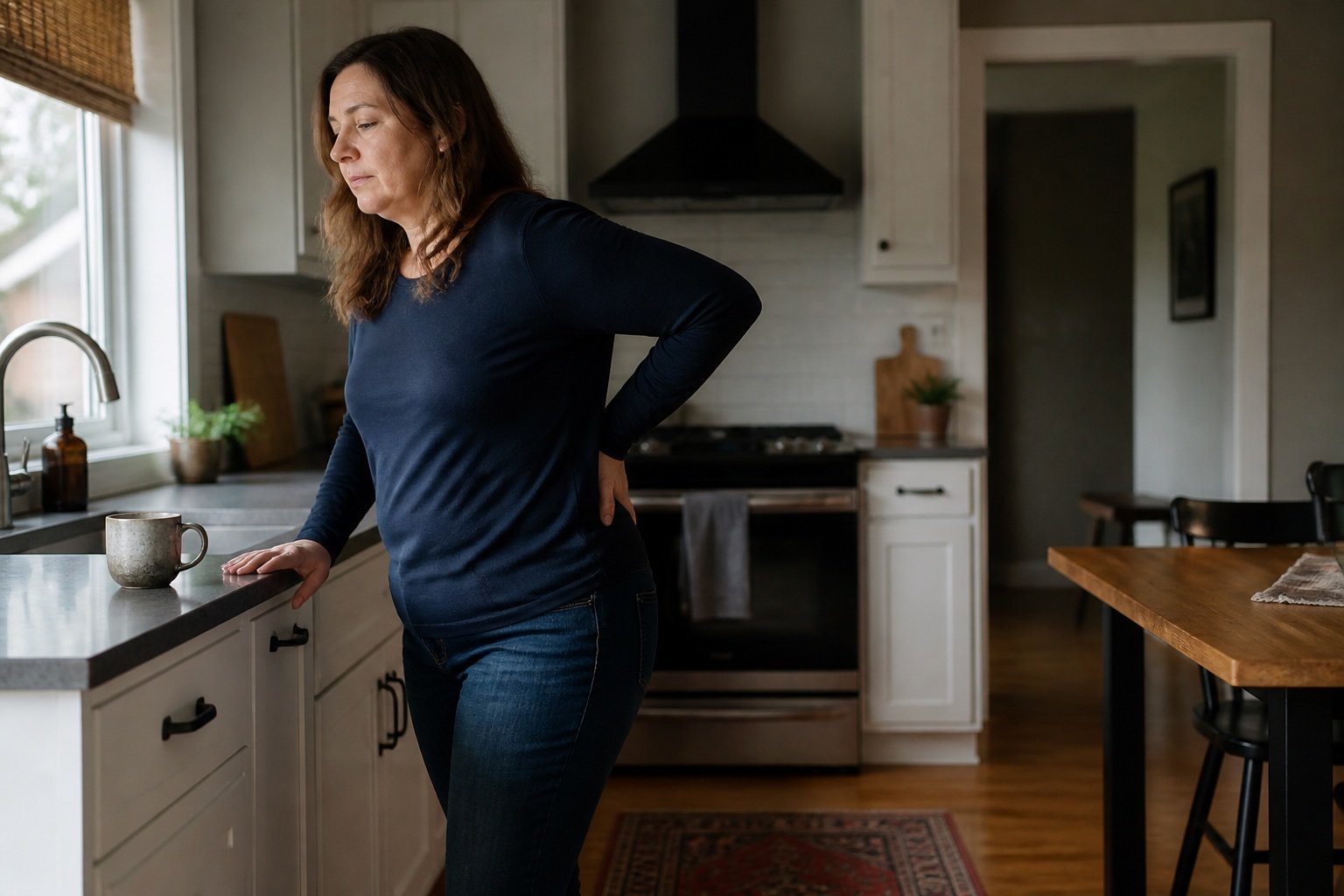
Start with the real change, then test the legal route.
The chronology should include prior health, symptom onset, investigation, diagnostic reasoning and response to treatment.2
Function can be real and variable even when routine imaging is unremarkable; use specific sustainable-task evidence.
Keep the connected questions separate.
Civil damages
Prove causation and loss using qualified opinion.
Available benefits
Match treatment and disability requests to benefit definitions.
Future needs
Coordinate LTD where endurance and attendance affect work.
Build a record that another person can verify.
Accident mechanism and early symptom progression.
Primary care, specialist assessment and treatment trials.
Sleep, pace, activity tolerance and post-activity recovery.
Work absence, benefit decisions and insurer assessments.
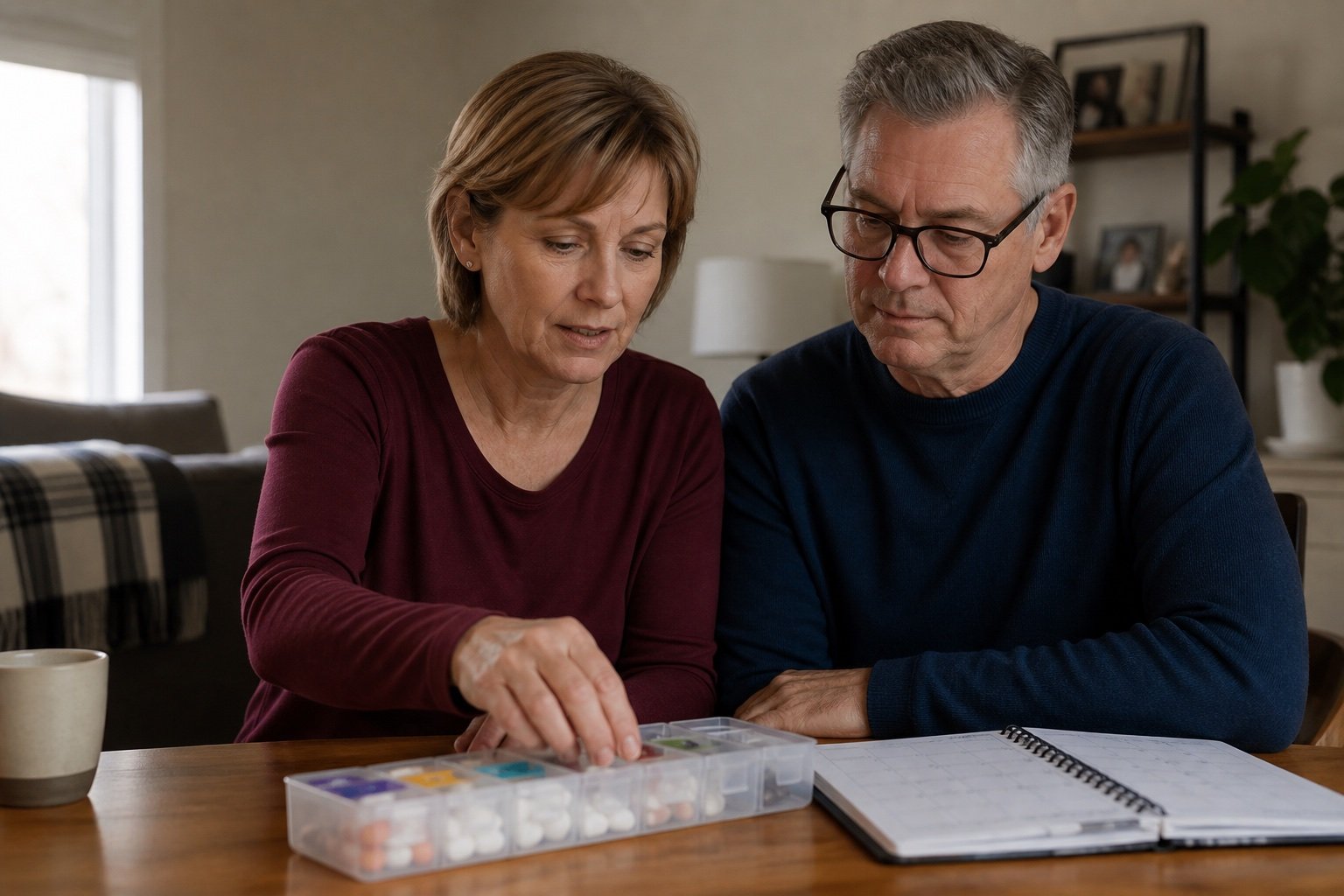
Protect the next decision before the record is complete.
Allow appropriate investigation while preserving early reports and alternative explanations.3
Do not confuse an insurer’s ongoing review with protection of LAT or civil limitation periods.
How a personal injury lawyer may help build this part of the claim.
The legal work should translate the diagnosis into reliable evidence about causation, treatment, function, future needs and financial loss without overstating what the medicine can prove.
- Present the diagnostic reasoning fairly
- Develop reliable function evidence
- Address prior health without overstatement
- Coordinate civil and disability systems
Not every file requires every step or legal representation. The work should respond to the actual dispute, evidence gap or decision that is approaching.
Sources and legal references
These official sources provide the legal and procedural foundation for this page. Their current wording and the facts of the claim control.
View 4 sources
- Ontario — Negligence Act
Shared fault and contribution between responsible parties.
Back to footnote ↑ - Ontario — Statutory Accident Benefits Schedule
The current regulation governing Ontario automobile accident benefits.
Back to footnote ↑ - Ontario — Limitations Act, 2002
Ontario's basic limitation and discoverability framework.
Back to footnote ↑ - Ontario — Rules of Civil Procedure
Civil procedure governing pleadings, discovery, experts and trials.