
Ontario legal information · Ottawa and Eastern Ontario
The useful question is more specific than the page title.
Current LAT rules generally require a reconsideration request within 21 days of the decision and set defined criteria.2
An appeal may be limited to a question of law, while judicial review is discretionary; selecting the route requires legal analysis of the decision and record.
Keep responsibility, available coverage and actual loss in separate columns.
Legal route
Reconsideration asks the LAT to correct a qualifying error.
Insurance or benefit route
Appeal and judicial review proceed through courts under different standards.
Practical decision
A stay or interim step may be needed where the decision has immediate consequences.
Build the record from material another person can verify.
Decision, order and date received.
Hearing record, exhibits and transcript material.
Exact alleged error and effect on outcome.
Current rule, statute, remedy and service record.
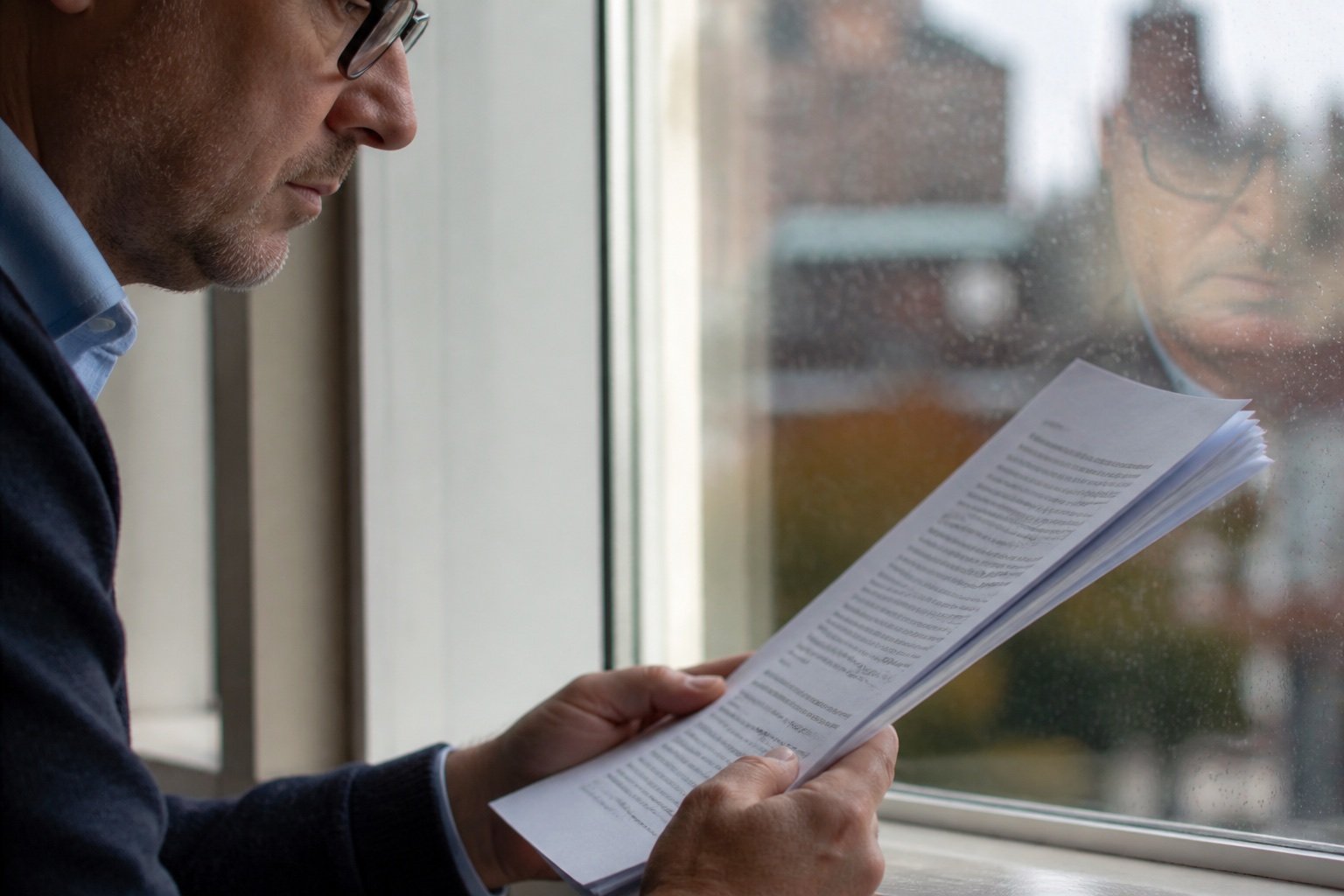
Protect the next date without pretending every claim follows one clock.
Treat the decision date as urgent and verify the current rule rather than relying on an old article.3
Parallel review routes may interact; do not file reflexively without a coherent jurisdictional plan.
How a personal injury lawyer may help with accident benefits.
A useful review should reduce the file to a defined benefit, disputed period, governing test and evidence problem—then explain the available response in plain language.
- Classify the alleged error
- Secure the complete record
- Choose the proper review route
- Protect service, filing and stay issues
Not every file requires every step or legal representation. The work should respond to the actual dispute, evidence gap or decision that is approaching.
Sources and legal references
These official sources provide the legal and procedural foundation for this page. Their current wording and the facts of the claim control.
View 3 sources
- Tribunals Ontario — LAT-AABS laws and rules
Current accident-benefit tribunal legislation, rules and practice directions.
Back to footnote ↑ - Ontario — Insurance Act
Ontario insurance, automobile liability and accident-benefit framework.
Back to footnote ↑ - Ontario — Rules of Civil Procedure
Civil procedure for pleadings, discovery, experts, settlement and trial.
Back to footnote ↑