Ontario legal information · Ottawa and Eastern Ontario
The manoeuvre matters more than the broad label “bike accident.”
A door opening, right hook, left turn, unsafe pass and bike-lane entry involve different movements and evidence. Record the cyclist’s travel direction, lane position, lighting, signals and avoidance response.2
Helmet use and equipment condition may be relevant to injury issues, but they should not be used as shortcuts around the evidence of how the collision occurred.
The claim may use automobile insurance even though the cyclist was not driving.
Accident benefits
The priority rules determine which insurer receives the application when an automobile is involved.
Driver and owner liability
The civil claim examines lookout, door opening, passing, turning and lane-entry conduct.
Road or design issue
A physical defect or work-zone arrangement requires evidence of control, notice and applicable public-authority law.
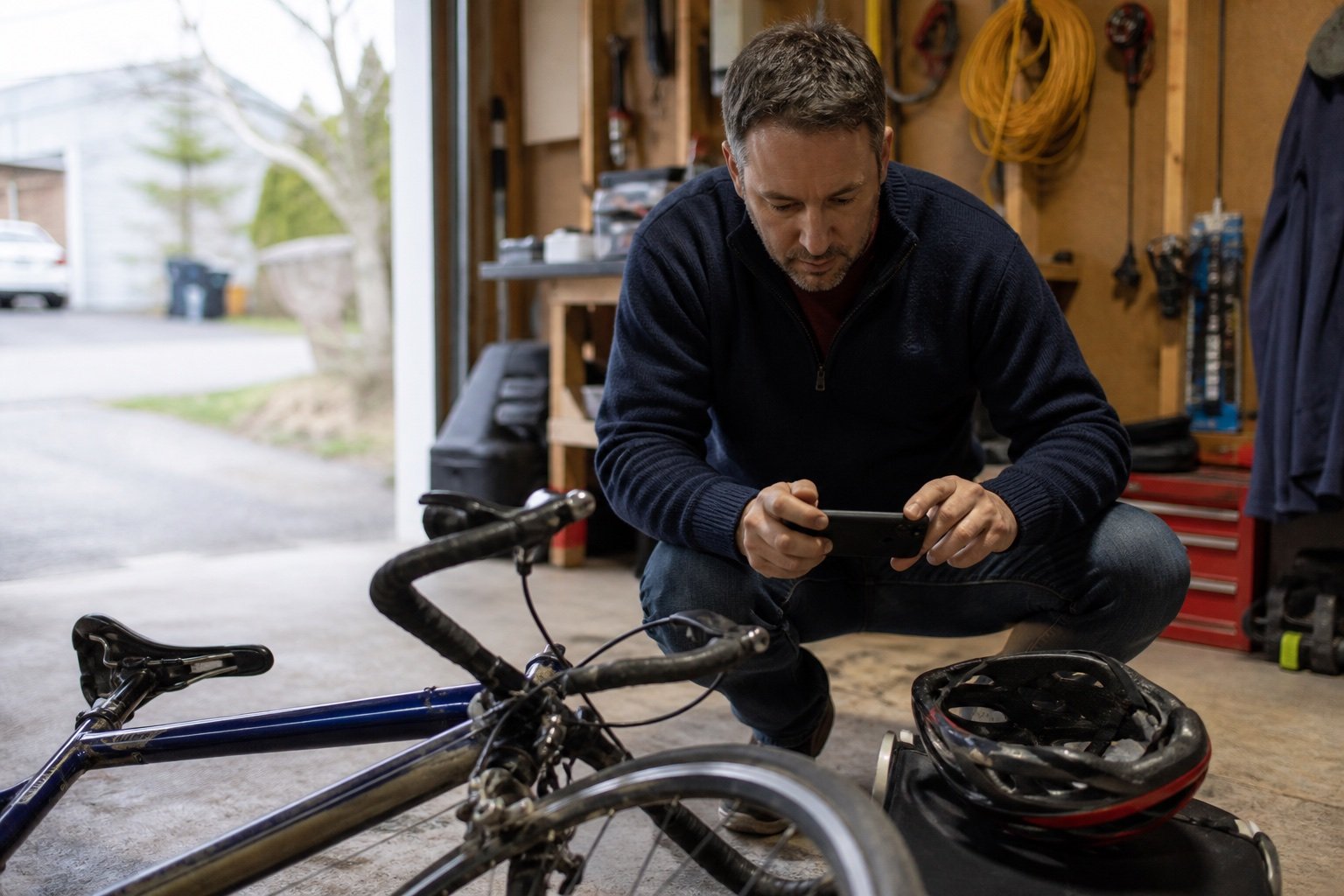
Preserve the bicycle as a source, not just damaged property.
Keep the bicycle, helmet, lights, clothing, bags and electronic device data in their post-collision condition.
Record bike-lane markings, door zone, sightlines, traffic controls, surface and approach.
Preserve ride data, phone timestamps, photographs and available vehicle or street video.
Document mobility, transportation, work, recreation and confidence returning to traffic.
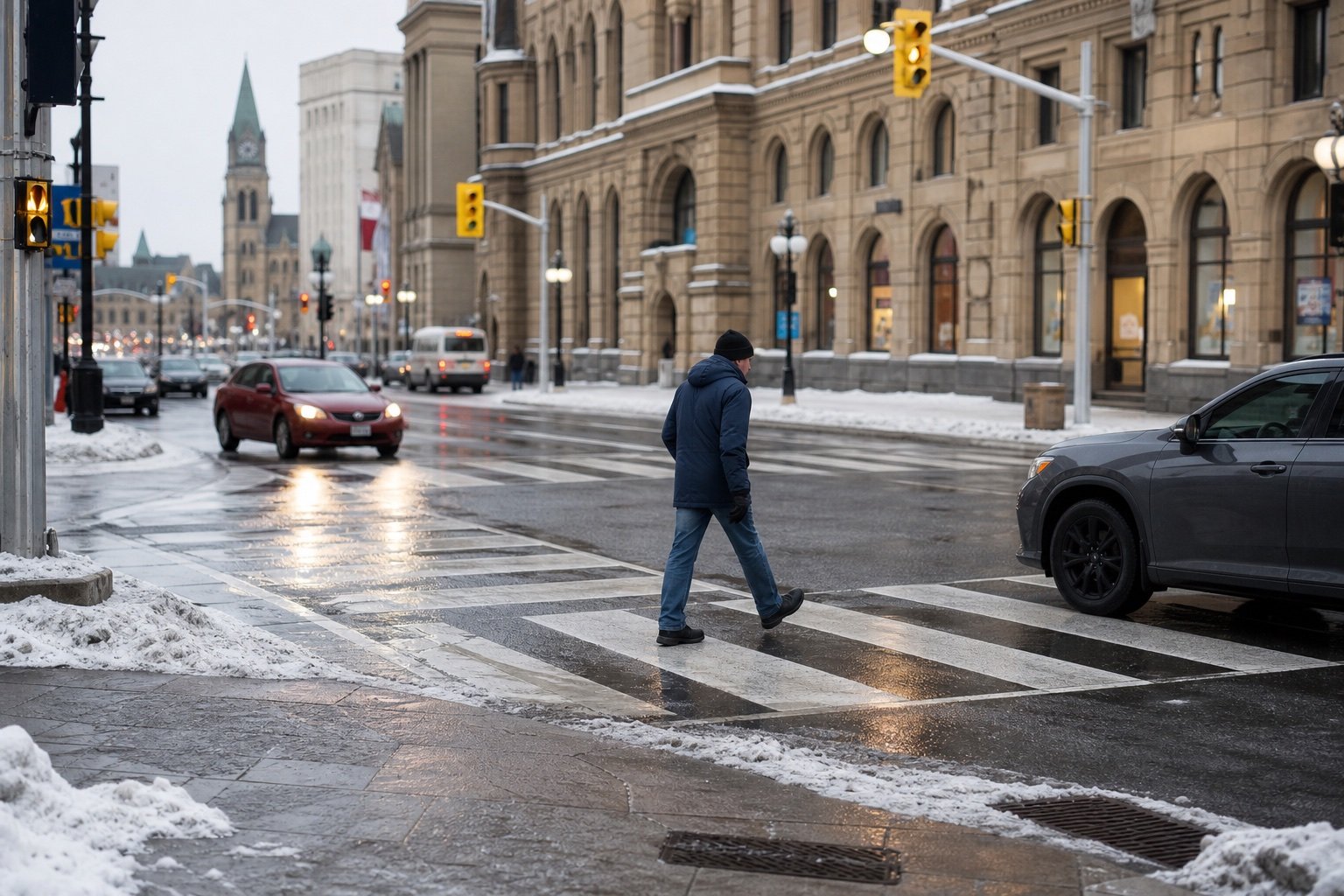
Road and digital evidence can be replaced before the injury stabilizes.
Request video and preserve device data promptly. If a municipal condition may be involved, consider notice requirements immediately.3
The accident-benefit application, civil claim and any municipal issue should each have a separate timing line.
How a personal injury lawyer may help after this collision.
The lawyer's role should be tied to this accident: identify who may be responsible, find every policy that may respond, preserve evidence and build the claim around the person's actual recovery and loss.
- Reconstruct the cyclist and vehicle movements
- Identify the appropriate benefit and liability insurers
- Preserve bicycle, device and street evidence
- Address municipal or premises responsibility only where supported
Not every file requires every step or legal representation. The work should respond to the actual dispute, evidence gap or decision that is approaching.
Sources and legal references
These official sources provide the legal and procedural foundation for this page. Their current wording and the facts of the claim control.
View 4 sources
- Ontario — Highway Traffic Act
Ontario road-use duties and the evidentiary rule that may apply when a motor vehicle injures a pedestrian or cyclist.
Back to footnote ↑ - Ontario — Statutory Accident Benefits Schedule
The current regulation governing Ontario automobile accident benefits.
Back to footnote ↑ - Ontario — Limitations Act, 2002
The basic limitation period and discoverability framework.
Back to footnote ↑ - Ontario — Municipal Act, 2001
Municipal highway maintenance and notice provisions, including section 44.