Ontario legal information · Ottawa and Eastern Ontario
A useful report explains both findings and limitations.
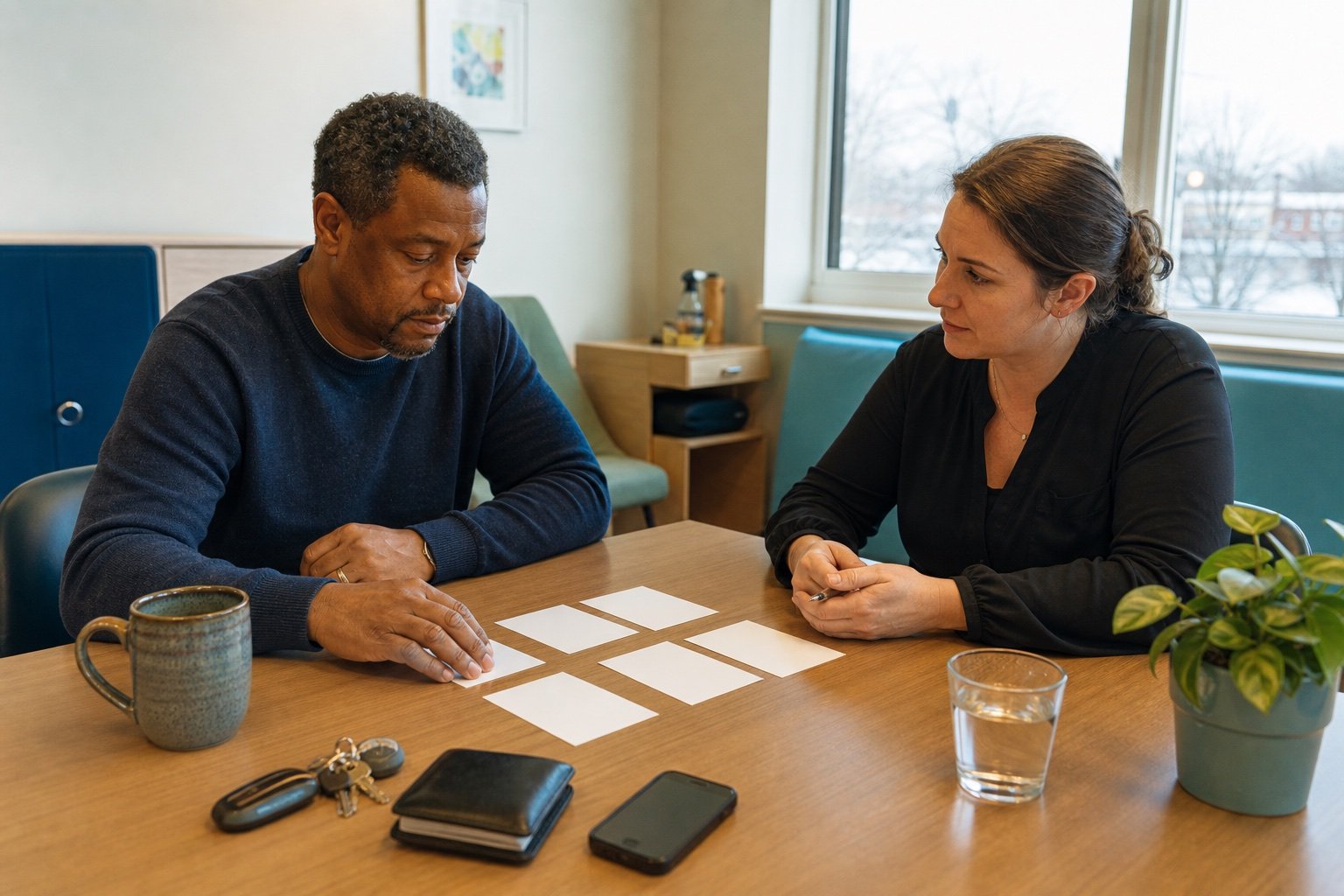
The assessor should identify records reviewed, tests used, validity information, behavioural observations, diagnoses, alternative explanations and the link to the referral question.2
Formal scores may not capture endurance, distraction, pain or performance across a full workday. Real-world and treating evidence remains important.
Assessment purpose changes the legal context.
Treating assessment
Supports diagnosis, rehabilitation and practical strategies.
Insurer examination
Addresses a defined benefit or entitlement question for the insurer.
Litigation expert
Provides independent opinion under expert-evidence rules.
Give the assessor a balanced foundation.
Provide education, language, work and prior testing history.
Include acute, neurological, psychological and medication information.
Use specific work, home and family observations.
Record fatigue, pain, breaks, accommodations and language factors.

Testing too early or for the wrong question can create confusion.
Choose timing with the clinical team and legal purpose in mind. Repeat testing should have a defined reason.3
Preserve raw-data and disclosure issues through qualified professionals and applicable procedure.
How a personal injury lawyer may help build this part of the claim.
The legal work should translate the diagnosis into reliable evidence about causation, treatment, function, future needs and financial loss without overstating what the medicine can prove.
- Define the assessment question and expert role
- Provide a balanced record
- Test methodology and functional interpretation
- Integrate results with treating and lay evidence
Not every file requires every step or legal representation. The work should respond to the actual dispute, evidence gap or decision that is approaching.
Sources and legal references
These official sources provide the legal and procedural foundation for this page. Their current wording and the facts of the claim control.
View 3 sources
- Ontario — Rules of Civil Procedure
Civil procedure governing documents, examinations, experts and trials.
Back to footnote ↑ - Ontario — Statutory Accident Benefits Schedule
The current regulation governing Ontario automobile accident benefits.
Back to footnote ↑ - Ontario — Limitations Act, 2002
The basic limitation and discoverability framework.
Back to footnote ↑