
Ontario legal information · Ottawa and Eastern Ontario
Soft-tissue evidence is built longitudinally.
Record the mechanism, symptom onset, examination findings, prior condition, treatment, home exercises and response. Variability should be described honestly.2
Imaging may be used to exclude or identify structural problems, but clinical and functional evidence remains central to many soft-tissue claims.
Different systems ask different questions.
MIG treatment
The guideline supplies a defined treatment framework for minor injuries.
Benefits outside the MIG
The statutory definition and medical evidence determine classification disputes.
Civil claim
Causation, duration and functional loss support damages.
Use consistent, task-level detail.
Keep range, tenderness, neurological signs and referrals.
Record improvement, plateau, flare and barriers.
Connect posture, lifting, driving and attendance to restrictions.
Describe sleep, childcare, household work and activity tolerance.
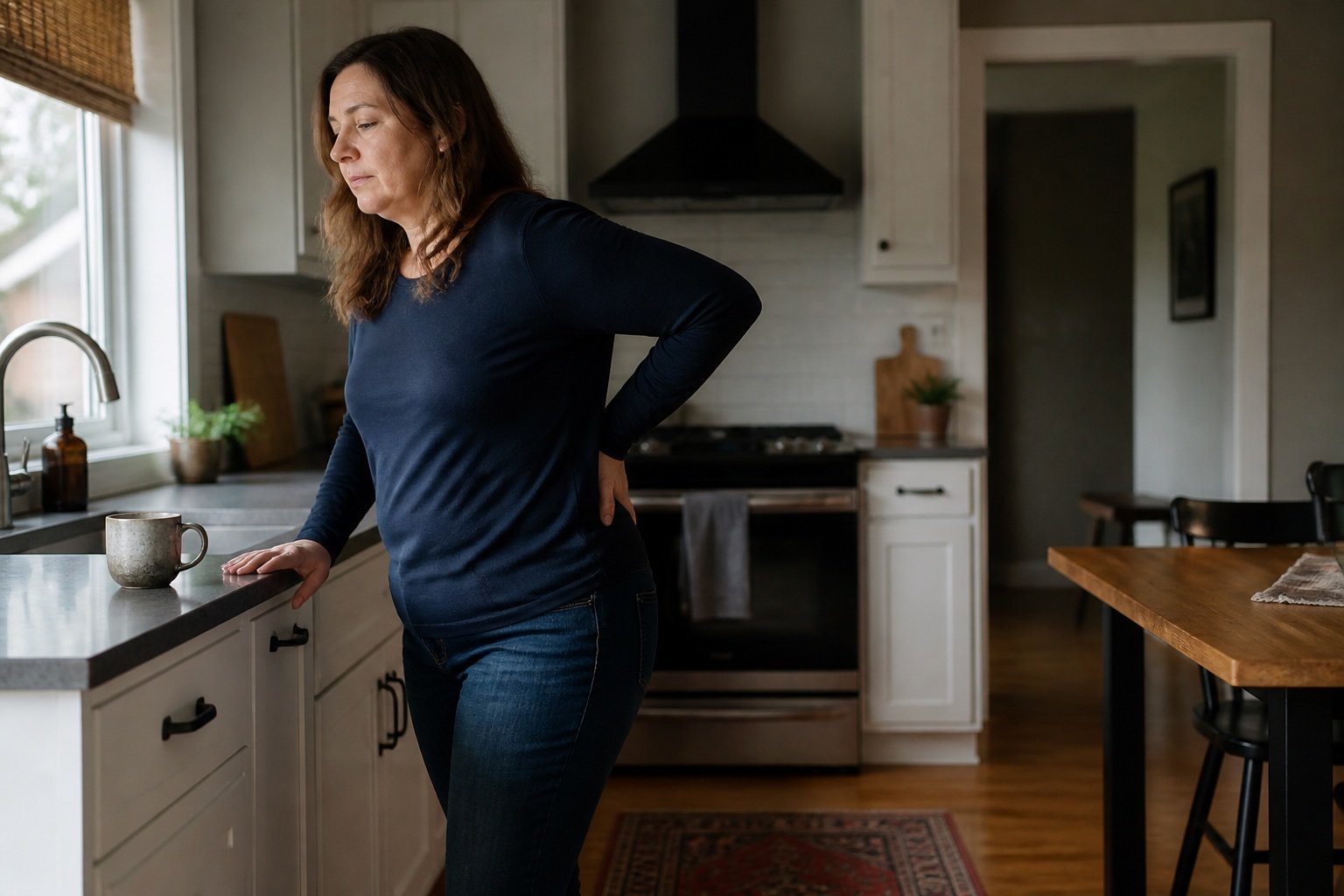
The first weeks matter, but they do not predict every outcome.
Seek appropriate care and report material changes. Do not exaggerate certainty about recovery or permanence.3
Challenge a benefit classification with evidence directed to the statutory test and preserve dispute dates.
How a personal injury lawyer may help build this part of the claim.
The legal work should translate the diagnosis into reliable evidence about causation, treatment, function, future needs and financial loss without overstating what the medicine can prove.
- Develop causation and prior-condition evidence
- Separate MIG funding from civil damages
- Connect clinical findings to function
- Coordinate treatment and disability claims
Not every file requires every step or legal representation. The work should respond to the actual dispute, evidence gap or decision that is approaching.
Sources and legal references
These official sources provide the legal and procedural foundation for this page. Their current wording and the facts of the claim control.
View 4 sources
- FSRA — Minor Injury Guideline
The active Ontario Minor Injury Guideline incorporated into the SABS.
Back to footnote ↑ - Ontario — Statutory Accident Benefits Schedule
The current regulation governing Ontario automobile accident benefits.
Back to footnote ↑ - Ontario — Limitations Act, 2002
The basic limitation and discoverability framework.
Back to footnote ↑ - Ontario — Negligence Act
Shared fault and contribution between responsible parties.