Ontario legal information · Ottawa and Eastern Ontario
What the page should help you decide
The Negligence Act permits damages to be reduced according to the claimant's share of fault.2
Iannarella illustrates why testimony, physical evidence and a disciplined review of the driving sequence matter.
Keep the legal question, insurance route and next practical step distinct.
Legal question
The civil claim assigns responsibility under negligence law.
Coverage or process
First-party accident benefits may remain available regardless of fault, subject to the SABS.
Practical step
A negotiated percentage should be tied to evidence, not simply to the police charge or insurer label.
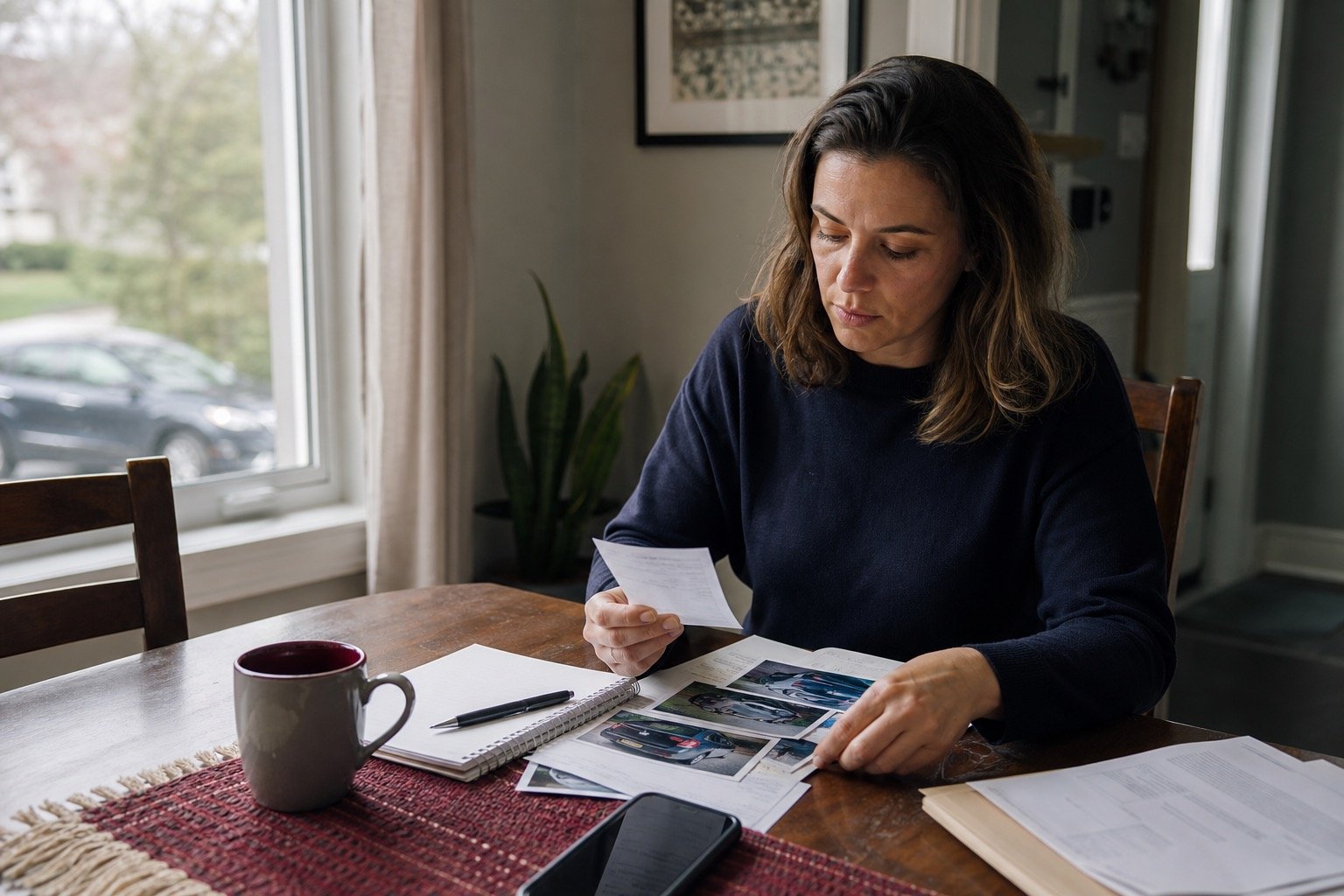
Build the answer from records another person can check.
Lane positions, signals, speed, sightlines and right-of-way.
Injury onset and the mechanics of impact.
Work and activity losses after the collision.
Photos, vehicle data, witnesses, reports and prior statements.
Protect the next real date.
Scene video and vehicle data may disappear quickly.3
Protect insurer-notice, benefit and lawsuit dates even while fault remains contested.
How a personal injury lawyer may use this information.
General information explains the framework. Legal advice should connect that framework to the event, the people and insurers involved, the available records and the deadlines in the individual claim.
- Reconstruct both drivers' actions
- Test independent evidence
- Apply the Negligence Act
- Model the percentage effect
Not every file requires every step or legal representation. The work should respond to the actual dispute, evidence gap or decision that is approaching.
Sources and legal references
These official sources provide the legal and procedural foundation for this page. Their current wording and the facts of the claim control.